
Greetings, Alchemists!
We have all faced an enemy dragon that seems impossible to damage for more than 1 or 2 points. Today we will look at one of the most frequently asked-about mechanics in Master Of Cladia: how resistances work when calculating damage.
Contents
- Elemental Resistances
- Magic Resistance
- Weaknesses
- Normal Damage Reduction
- General Resistance
- Resistance Limits
- Conclusion
1. Elemental Resistances
Elemental resistances reduce incoming damage after the strength-versus-resistance formula using base stats. They reduce damage, or increase it in the case of a weakness. We will discuss damage and evasion formulas another day. Essentially, this is a percentage reduction when the incoming damage type matches the resistance, except for magic damage, which we will cover in the next section.
For example, a blue dragon has 80% electrical resistance.


Suppose an alchemist attacks it with an Elemental Discharge.  For newer players, the alchemist's Elemental Discharge is a special attack that randomly chooses a damage type from Fire, Cold, Acid, Electrical and Magic. Its damage also ranges from 85 to 170.
Returning to our example, if the alchemist launches an attack for 85 damage and it is electrical, the resistance applies. We calculate 85 times (1-0.8), so we receive 17 points out of the original 85. If the alchemist's attack had been fire, we would have taken all of it.
Egg traits can include resistance traits against dragons' basic damage types.


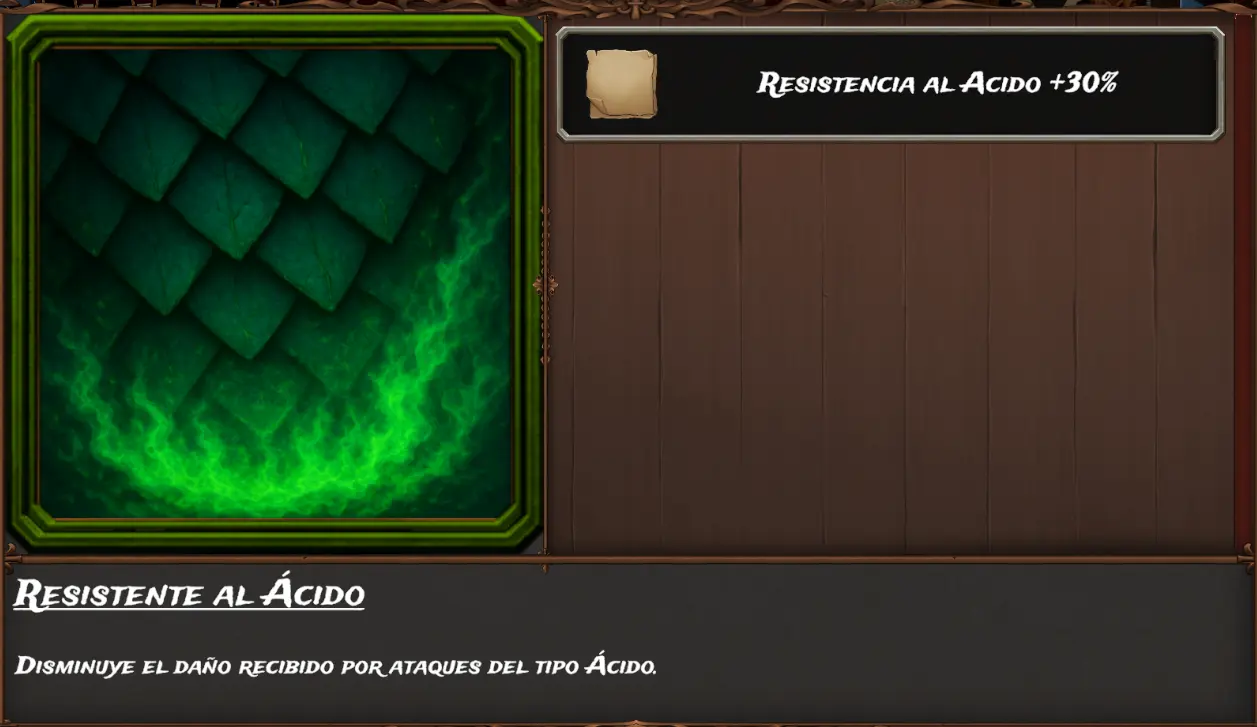
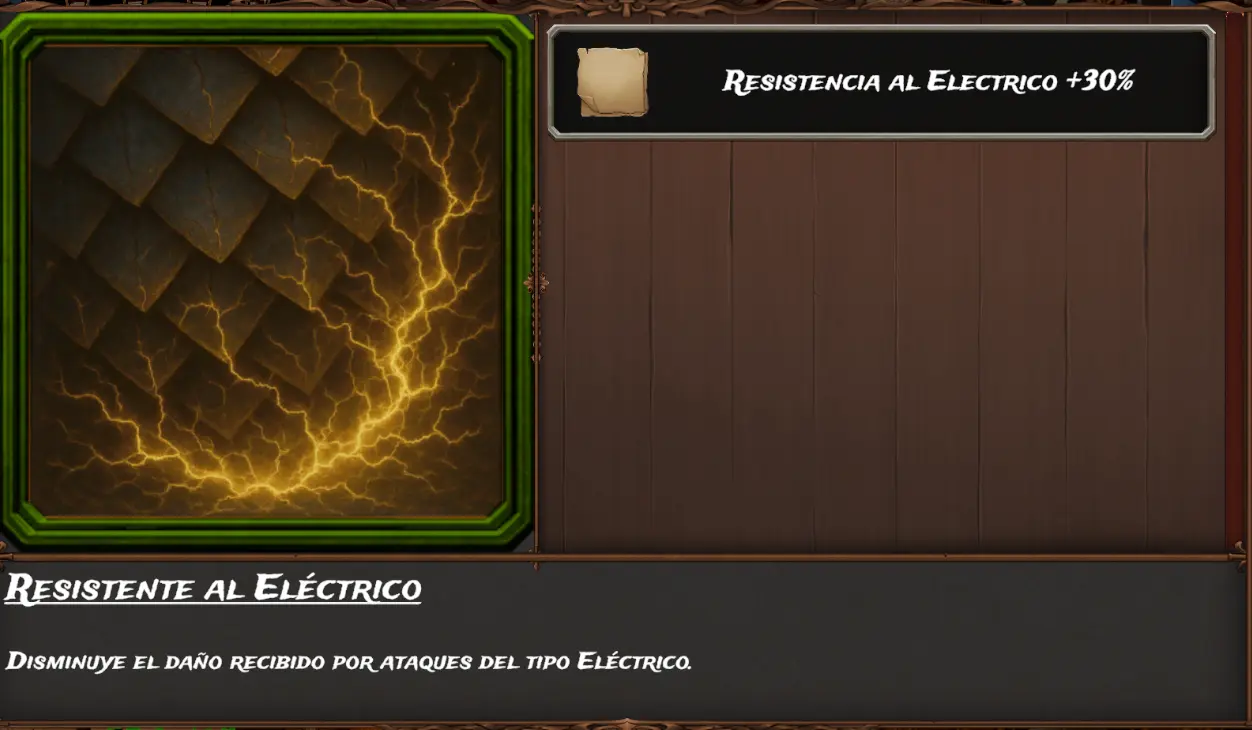
All elemental resistances have the same name as the damage type they reduce, except for normal damage, which is reduced by "Physical" resistance.

"Normal" damage is the damage type of the basic attack, the claw strike, used by standard dragons and most units.
2. Magic Resistance
In the previous section, we mentioned that every resistance reduces damage of the elemental type it represents, except Magic Resistance.
Magic Resistance works differently from the other resistances. It reduces incoming damage from Fire, Ice, Electrical, Acid and Magic attacks.
It also applies after the damage reduction from Fire, Ice, Electrical and Acid resistance. It does not add to them; it reduces the remaining result. Returning to the electrical dragon example, suppose we have 80% electrical resistance and also 30% Magic Resistance. When the alchemist hits us for 85 electrical damage with Elemental Discharge, the 80% electrical resistance applies first: 85 times (1-0.8), leaving 17 points. Magic Resistance then applies: 17 times (1-0.3), so we receive 11.9 points out of the original 85.
Yes, the Magic damage type exists. For example, the alchemist's basic attack deals Magic damage.

In that case, only the 30% Magic Resistance applies.
3. Weaknesses
If you have ever faced the fearsome Kalendulas, you may have noticed its weakness to Holy damage. This is actually a negative resistance, applied using the same formula.
If Kalendulas receives an attack for 45 Holy damage and has -60% Holy resistance, we calculate 45 times (1-(-0.6)), or 45 times 1.6, increasing the incoming damage to a total of 72 points.
4. Normal Damage Reduction
Normal Damage Reduction is one of the most confusing names in the world of Master of Cladia.
 Going by the name, you might think it is a percentage reduction to Normal damage... but it is not. It is a percentage reduction to incoming damage of any type, AFTER resistance calculations.
Suppose we have the Supernatural Resistance trait and return to the example of the electrical dragon hit by the alchemist. The 85 electrical damage is reduced by 80% through (1-0.8), leaving 17 points. We then apply another 20% reduction: 17 times (1-0.2), leaving 13.6 of the original 85. If the alchemist's attack had been fire, the 20% Normal Damage Reduction would still apply: 85 times (1-0.2), for 68 final damage.
Yes, it also applies alongside Magic Resistance. If we have Magic Resistance and Supernatural Resistance, and the attack is electrical, we again start with 85 times (1-0.8). The 17 points we know are then multiplied by (1-0.3) for Magic Resistance, giving 11.9. Supernatural Resistance then applies: 11.9 times (1-0.2), so we finally receive 9.52 points out of the original 85.
5. General Resistance
Most of you Alchemists have probably noticed that certain traits improve as a dragon grows. These include Dragon Breath, which improves with age, and Natural Armor.

Natural Armor appears when a dragon passes 70 years of age and improves as it grows, reaching 12 points at 700 years.
But what does General Resistance mean? Essentially, it is a flat damage reduction, applied by subtraction after all the resistances explained earlier in this post. Note that the minimum damage received is 1.
Returning to the electrical dragon hit by the alchemist: the 85 electrical damage is reduced by 80% through (1-0.8), leaving 17 points. We then subtract, for example, 5 points: 17 minus 5 means we receive 12 of the original 85. If the alchemist's attack had been fire, we would also subtract 5 points, so we would take 80 final damage out of the original 85.
Yes, this also applies alongside Magic Resistance and Normal Damage Reduction. If we have Magic Resistance and Supernatural Resistance, and the attack is electrical, we again calculate 85 times (1-0.8). The resulting 17 points are multiplied by (1-0.3) for Magic Resistance, giving 11.9. Supernatural Resistance then applies: 11.9 times (1-0.2). From those 9.52 points, General Resistance subtracts another 5. We therefore finally receive 4.52 points out of the original 85.
6. Resistance Limits
After hearing about all these resistance types, some of you may be thinking that complete immunity to a damage type is possible. But no: the gods of Cladia limited resistances to prevent a return to the days when golems, yes, the golems we always have in our towers, were completely immune to every damage type.
Here are all the resistances and their maximum possible values. Even if the game displays a higher value, it is internally managed and capped at the value shown here.
- Fire 90%
- Ice 90%
- Electrical 90%
- Acid 90%
- Magic 90%
- Normal 90%
- Holy 90%
- Cursed 90%
- Normal Damage Reduction 70%
General Resistance has no maximum, but damage always has a minimum of 1.
Because Magic Resistance applies AFTER Fire, Ice, Electrical and Acid resistance, the effective resistance to these elemental types can be virtually 99% if we have 90% resistance to Fire, Ice, Electrical or Acid and also 90% Magic Resistance.
7. Conclusion
That is all, Alchemists. We have broken down every type of resistance. Some alchemists have suggested changing the names of certain resistances, because the terminology really is confusing.
What do you think? Share your thoughts in the comments below.



Comments (0)
Leave a comment